
The Simple Budget Planner That Helped Me Take Control of My Money
For a long time, I was the queen at budgeting. I was literally updating my budget every single day, even when there was no bank transactions or expenses.
I cannot recall the exact day, or how, everything stopped. Not because I didn’t know it was important, but because I was so afraid to face the numbers.
Too many backlog.
Too many unplanned expenses.
Too many bad decisions at the time.
And the worst part?
I was stressed and mortified at the end of the month wondering where my money went.
If you’ve ever felt like this, you’re not alone.
Most people don’t fail at budgeting because they’re bad with money. They fail because their budgeting system is too complicated. And that’s exactly why I created this simple monthly budget planner. A budgeting system that focuses on clarity, not complexity.
Why Most Budgets Fail
Before creating this planner, I realized something important. Most budgeting advice online looks like it was designed by accountants.
Huge spreadsheets.
Complex formulas.
20+ expense categories.
But real life doesn’t work like that. When you’re busy with work, family, bills, and everyday life, you need something simple and visual. That’s where this planner comes in.
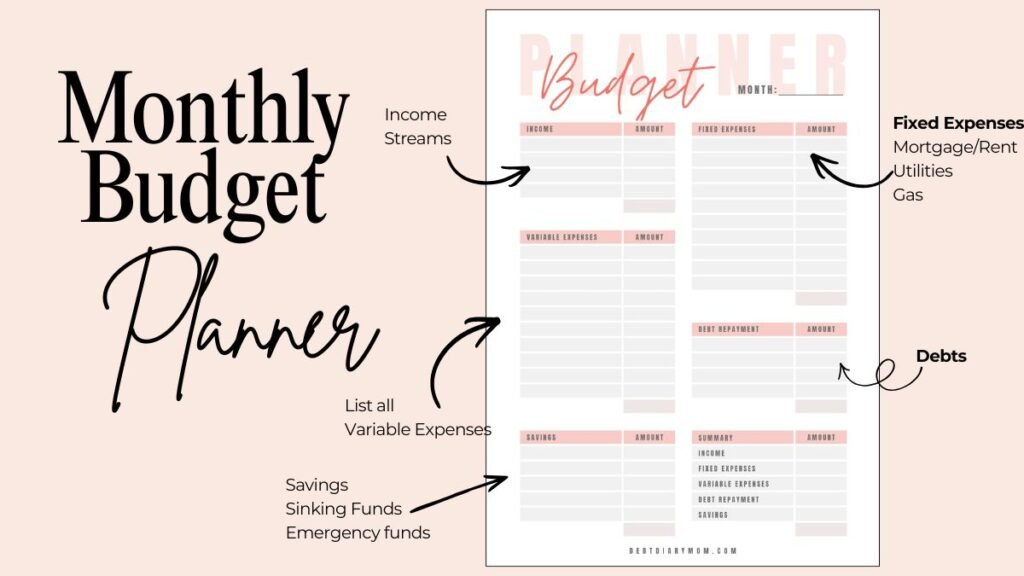
It helps you focus on five things that actually matter:
• Your income
• Your fixed expenses
• Your variable spending
• Your debt payments
• Your savings
That’s it.
Once you understand these five areas, you can finally see where your money is going every month.
What This Budget Planner Helps You Track
The monthly budget planner is designed to give you a clear overview of your finances in just a few minutes. Here’s how it works.
1. Income
The first step is simple. Write down all the money coming in during the month. This might include:
• Salary
• Side income
• Freelance work
• Bonuses
• Other income sources
Once you see your total monthly income, everything else becomes easier to organize.
2. Fixed Expenses
Fixed expenses are the bills that usually stay the same every month. Examples include:
• Rent or mortgage
• Electricity
• Internet
• Insurance
• Phone bill
• Subscriptions
Listing these expenses helps you understand how much of your income is already committed.
3. Variable Expenses
Variable expenses are the ones that tend to change every month. These are usually the areas where most people accidentally overspend. Examples include:
• Groceries
• Eating out
• Transportation
• Shopping
• Entertainment
• Personal expenses
Tracking these categories helps you identify spending patterns. And once you see those patterns, you can start adjusting them.
4. Debt Repayments
Debt is one of the biggest sources of financial stress. This section helps you track payments for things like:
• Credit cards
• Personal loans
• Car loans
• Student loans
Seeing your debt payments clearly each month can help you stay focused on reducing balances faster.
RELATED READ: How to payoff debt fast even on a low income
5. Savings
Savings often get forgotten when people budget. But savings should never be an afterthought. Even if it’s a small amount, include categories like:
• Emergency fund
• Long-term savings
• Investment contributions
• Future goals
This step helps you build financial stability over time.
RELATED READ: How to build an emergency fund fast
Why Writing a Budget Down Works Better
Many people try to track everything in their heads. But money decisions become much easier when you see everything clearly in one place.
A written budget planner helps you:
• Stay accountable
• Track spending habits
• Make better financial decisions
• Reduce money stress
• Build better financial discipline
Sometimes the biggest change comes from simply seeing your numbers clearly for the first time.
RELATED READ: How to budget when you live paycheck to paycheck
The Goal Is Progress, Not Perfection
One important thing to remember: Your budget doesn’t have to be perfect.
Some months will go exactly as planned.
Other months won’t.
And that’s normal. That’s ok.
Budgeting isn’t about restricting your life. It’s about understanding your money so you can make intentional choices.
Over time, small adjustments can lead to big financial improvements.
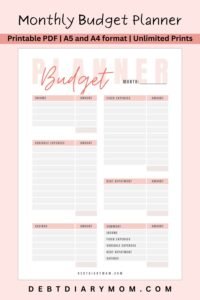
Download the Monthly Budget Planner
If you’re ready to take control of your finances, this simple printable budget planner can help you start.
It’s designed to help you:
• Track income and expenses
• Organize monthly bills
• Monitor debt repayments
• Build consistent savings habits
You can download the planner below and start using it right away.
Final Thoughts
The truth is, managing money doesn’t require complicated systems.
Sometimes all you need is a simple tool that helps you see the full picture of your finances.
This planner was created to make budgeting easier — especially if you’re just getting started.
Because once you understand your numbers, you can finally start making your money work for you.